


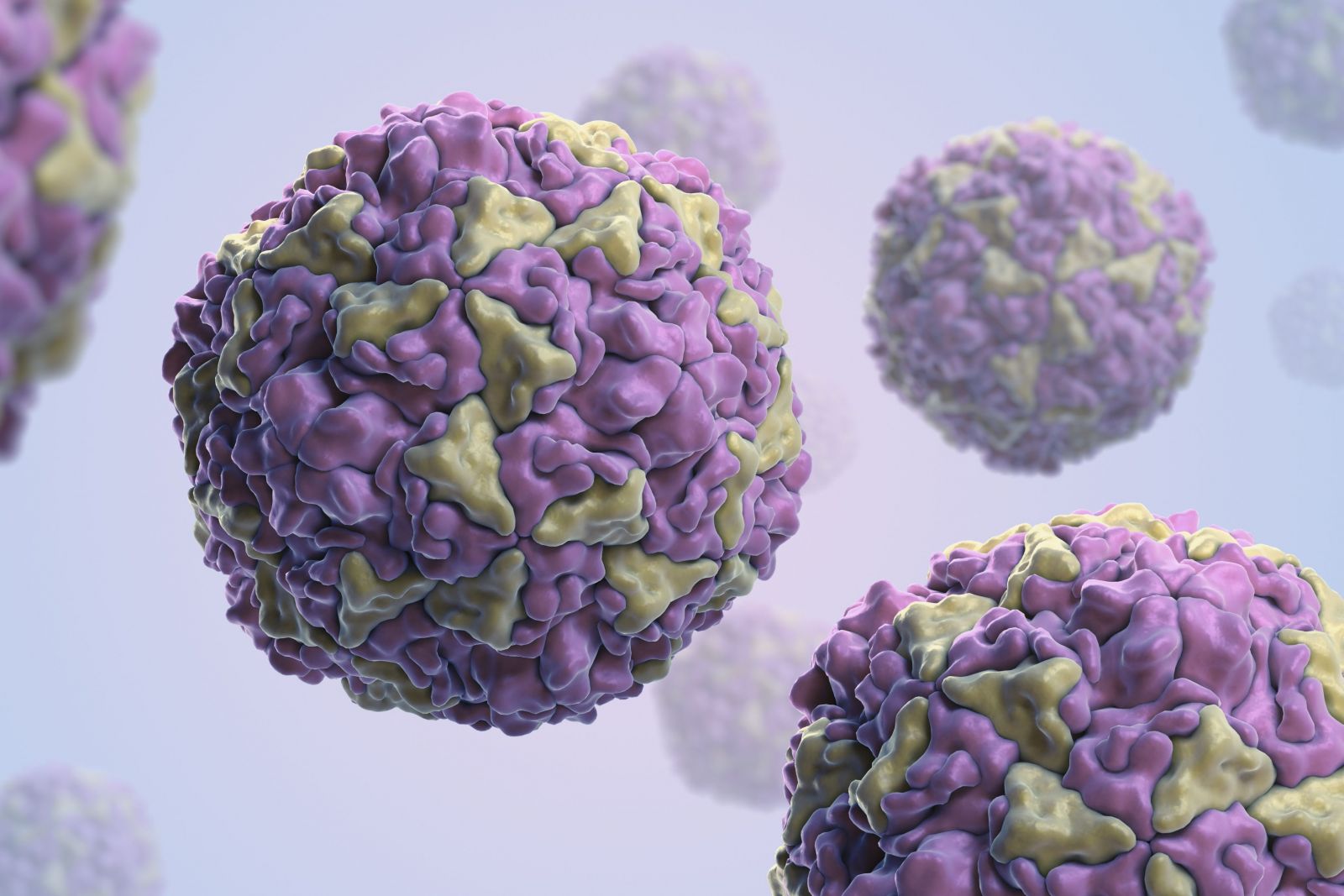
Enteroviruses are a family of viruses that are most prevalent during the warmer months of the year: they appear in the spring and disappear in the autumn. Every year, many children are affected by enterovirus infections. You have likely heard of—or experienced firsthand—hand, foot, and mouth disease or herpangina; these are caused by enteroviruses. The virus that causes polio—which is close to being eradicated thanks to vaccination—is also an enterovirus.
At this time of year, enteroviruses typically cause mild respiratory symptoms, minor gastroenteritis, and rashes (skin lesions). Viral or lymphocytic meningitis is also relatively common; although it is an infection of the nervous system, it generally follows a benign course.
Another condition they can cause is acute encephalitis. While the prognosis is usually good, complications can arise in some children—as seen in the cases currently being reported in the media.
What can we do to try to prevent our children from catching it? Well, (as always) we should step up hygiene measures: washing hands with soap and water, keeping children home from school if they have a fever, using disposable tissues, and so on. Remember that the virus is transmitted through saliva droplets and feces.
And if they have a fever, what should we do? As always, keep an eye out for warning signs—in this case, neurological ones: altered consciousness with difficulty waking the child, loss of strength, abnormal movements, difficulty speaking or swallowing (without pain), etc.
If in doubt, consult your pediatrician!
Let’s stay alert, not alarmed!